
Students & Young Professionals
First career decisions carry decades of consequence. Evaluators check that guidance reflects real entry paths, not idealized ones.
Who evaluates for this groupHuman Proof for High-Stakes AI
Human Layer AI recruits and verifies the educators, psychologists, career professionals, workforce experts, and representative users needed to evaluate your AI, then turns their judgment into structured, traceable evidence your product team can act on.
Explore a focused human-validation pilot or a customized ongoing evaluation program.
AI makes the recommendation. Qualified humans prove whether it deserves to be trusted.

AI recommendation
“Become a data analyst.”
Verified expert review
Credentialed professionals judge soundness
Representative-user evaluation
Real students and job seekers respond
Structured scoring
Rubric, severity, written reasoning
Quality control
Calibration and disagreement review
Product improvement
Prompt, model, UX, escalation
Traceable evidence
Chain-of-Human-Custody™ record
Evaluators on this review
Traceable human evidence
350,000+ Verified People
Global network of experts and representative users
Verified Domain Experts
Professionals with real-world credentials and experience
Representative User Testing
Testing that reflects actual learners and job seekers
Documented Human Evidence
Transparent review reports for safety and accountability
Why Human Validation
A fluent, personalized answer is not proof that the recommendation is accurate, useful, fair, culturally appropriate, age-appropriate, or safe.
Internal testing can confirm what the product was designed to do. Automated evaluation can measure patterns and consistency. Neither can fully determine how a recommendation will affect the student receiving it.
AI Career Recommendation
Confidence 96%“You should leave teaching and retrain as a UX researcher. Demand is high, salaries are strong, and you can complete a certificate in six months.”
What human review flags
High confidence does not mean high accuracy.
Guidance a qualified practitioner would never give, delivered with the same fluency as sound advice.
Fluent reasoning with nothing behind it: no evidence, no source, no accountability.
Advice that does not fit the country, system, or community.
Gender, disability, age, geographic, or socioeconomic skew.
Recommendations mismatched to developmental stage.
Certainty expressed where uncertainty belongs.
Wording the intended user misreads or mistrusts.
No route to a person when the situation requires one.
What sounds polished to a model can still mislead a real student.
What automated evaluations can miss
Automated evaluations can detect patterns, consistency, and technical performance. But they cannot always determine whether career guidance is professionally realistic, culturally appropriate, emotionally safe, or right for the individual receiving it.
The most dangerous AI answer is often the one nobody realizes is wrong.
Turn the pages below for the risks qualified human evaluators surface that automated checks pass.

AI Risk Casebook
Human reviewWhat automated evaluations may fail to detect
Expert Review Flag
The recommendation sounds plausible but is based on unrealistic career assumptions, outdated industry information, or an incorrect understanding of the profession.
“Required qualifications do not match real hiring standards.”
Page 1 of 6
Who the Guidance Reaches
Every recommendation lands with a specific person in a specific moment. We recruit evaluators who understand each of these groups, then test your AI against the decisions they actually face.
First career decisions carry decades of consequence. Evaluators check that guidance reflects real entry paths, not idealized ones.
Who evaluates for this group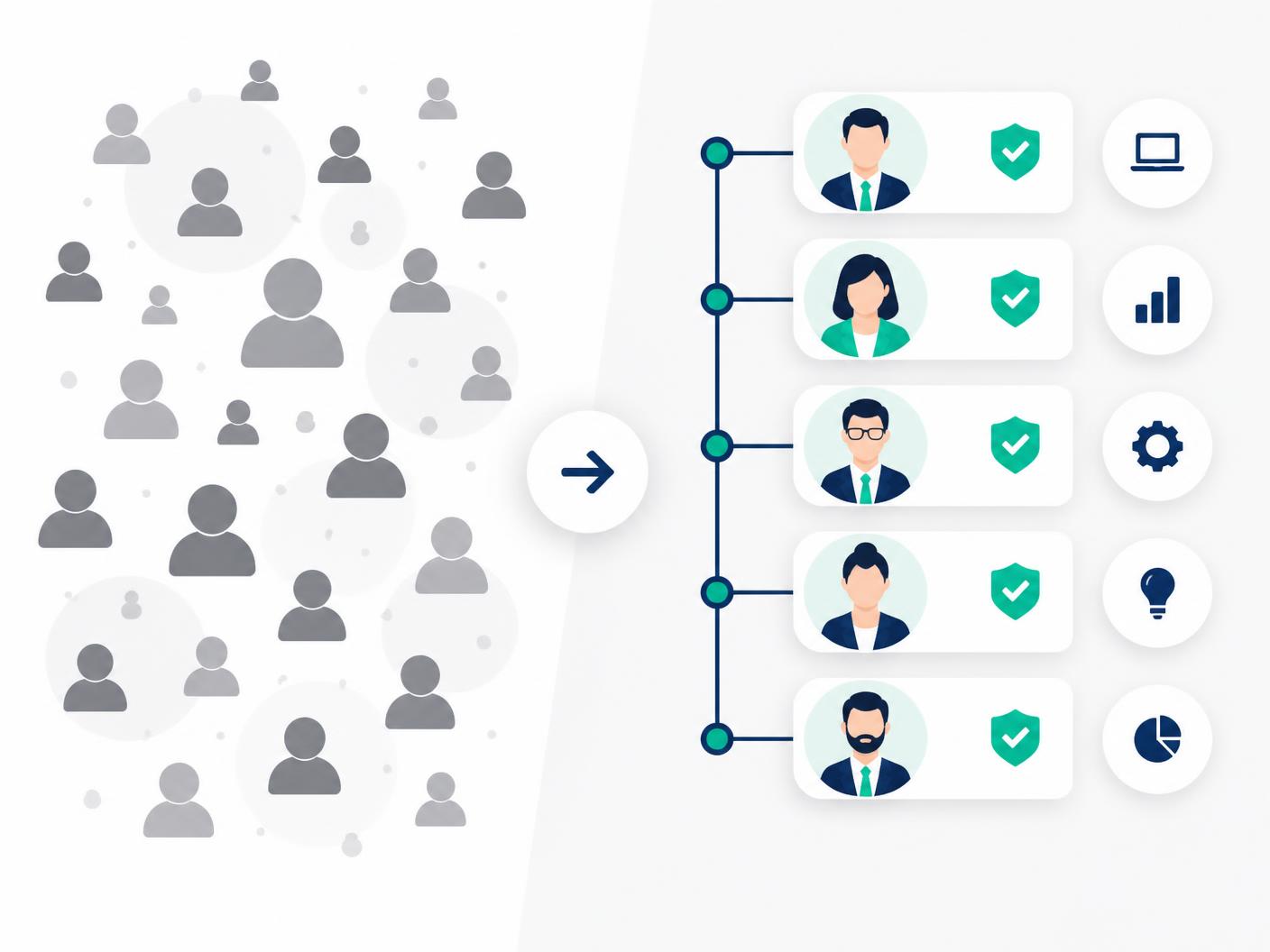
Pivots depend on transferable skills. Reviewers test whether recommendations account for prior experience and realistic timelines.
Who evaluates for this group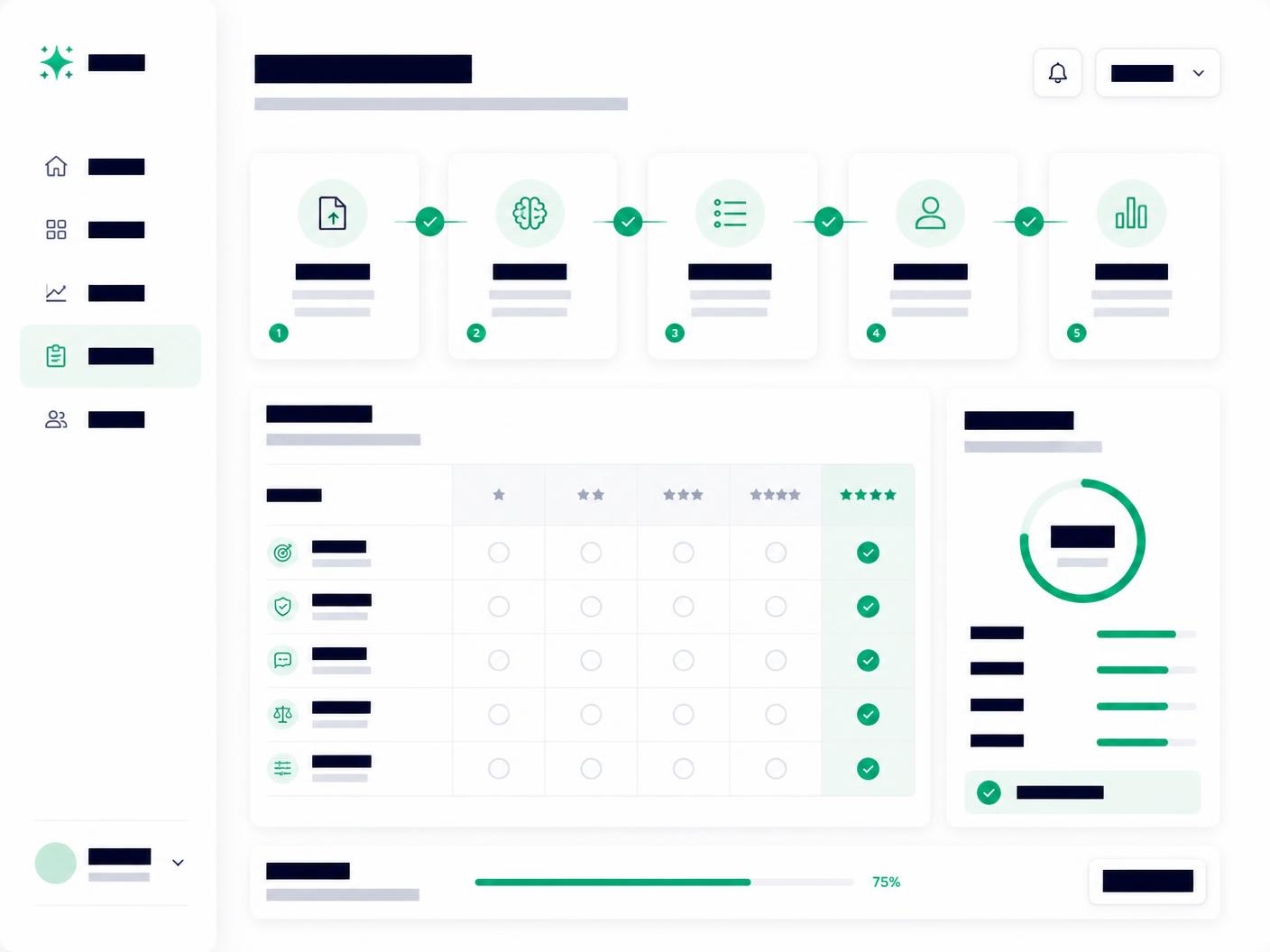
Mid-career moves need wage, mobility, and regional reality. Experts flag advice that ignores local labor markets.
Who evaluates for this group
Hiring teams need defensible signals. Validation confirms outputs are fair, explainable, and safe to put in front of candidates.
Who evaluates for this group
Practitioners judge whether guidance is usable in a real session, with language and next steps a client can act on.
Who evaluates for this group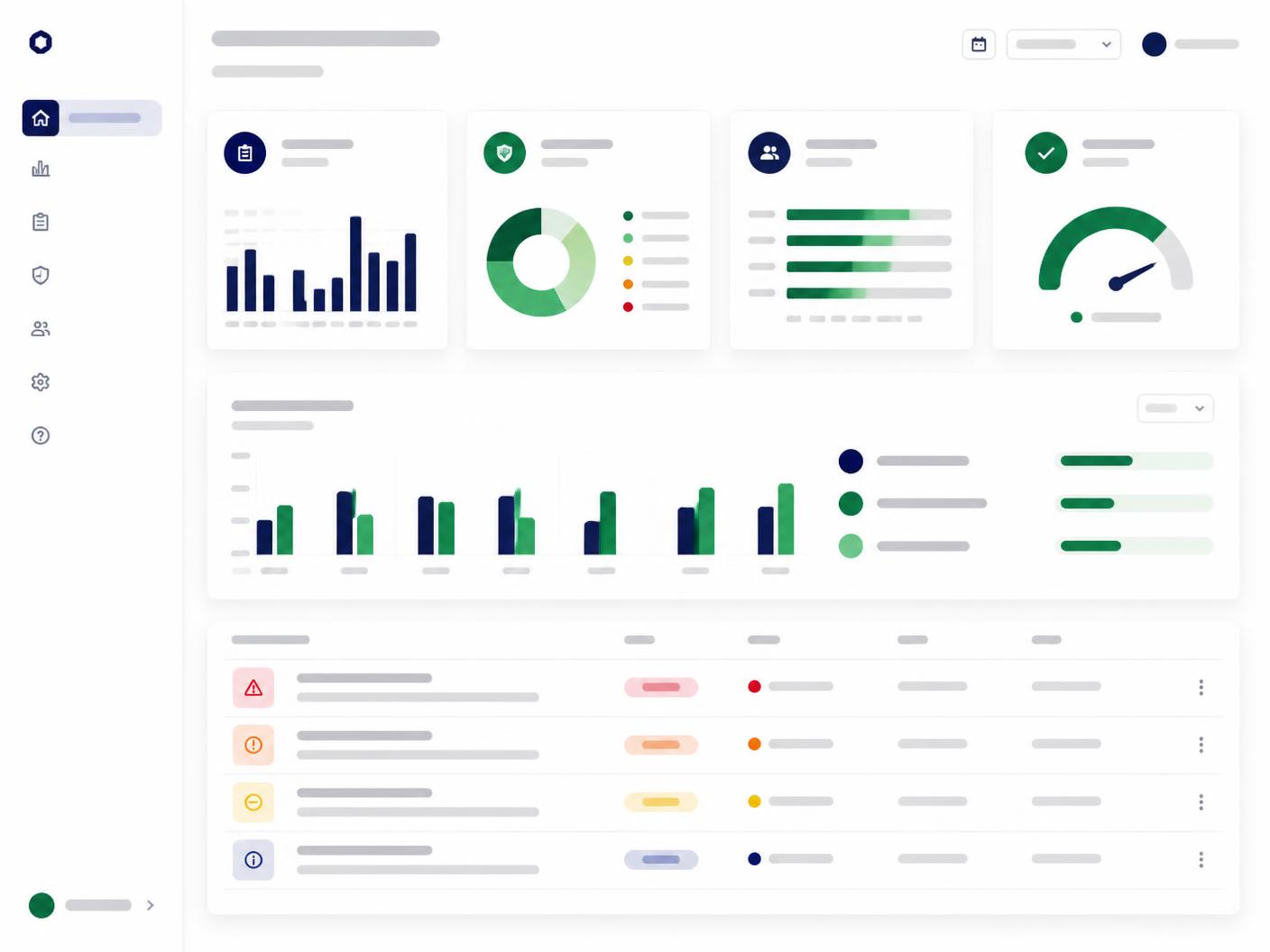
Family and returning-learner decisions involve cost and risk. Reviewers test clarity, tone, and financial honesty.
Who evaluates for this group
Human Judgment at Scale
Educators, psychologists, recruiters, and workforce specialists review your AI's output side by side with the people who receive it, so you can see exactly where the guidance holds up and where it breaks.
Who Evaluates
Every cohort is assembled for your product: the exact professional credentials, lived experience, language, and market context the recommendation demands.
Evaluate educational assumptions, learning pathways, age appropriateness, and developmental fit.
Evaluate emotional risk, vulnerable-user situations, harmful framing, boundaries, and escalation.
Evaluate realism, usefulness, ethical guidance, uncertainty, and actionability.
Evaluate labor-market relevance, employability claims, hiring assumptions, and skills interpretation.
Evaluate reskilling, career mobility, regional labor markets, and access barriers.
Evaluate clarity, relevance, credibility, emotional impact, and willingness to act.
Evaluate practical constraints, nontraditional pathways, and decision confidence.
Evaluate language, cultural fit, educational systems, credential recognition, and local labor markets.
The question is not whether a human reviewed it. The question is whether the right human reviewed it.
Two Perspectives
Qualified Expert Evaluation
Representative-User Evaluation
You need both perspectives to understand whether the product is truly ready.
How It Works
A repeatable seven-step operating process: designed, calibrated, quality-controlled, and documented so results can be trusted and reproduced.
The Output
See what was tested, who evaluated it, why they qualified, where reviewers agreed or disagreed, and what the product team should change.
See a Sample Validation ReportWhat You Receive
Every engagement produces the artifacts your product, research, and governance teams can actually work from.
High-consequence use-case map
Evaluator architecture
Verified expert cohort
Representative-user cohort
Customized evaluation rubric
Evaluator training and calibration
Structured ratings and written feedback
Quality-control and disagreement review
Prioritized product findings
Prompt, model, UX, and escalation recommendations
Chain-of-Human-Custody™ documentation
Ongoing evaluation roadmap
Know what was tested, who tested it, what they discovered, and what your team should change.
Chain-of-Human-Custody™
Chain-of-Human-Custody™ creates a documented trail showing:
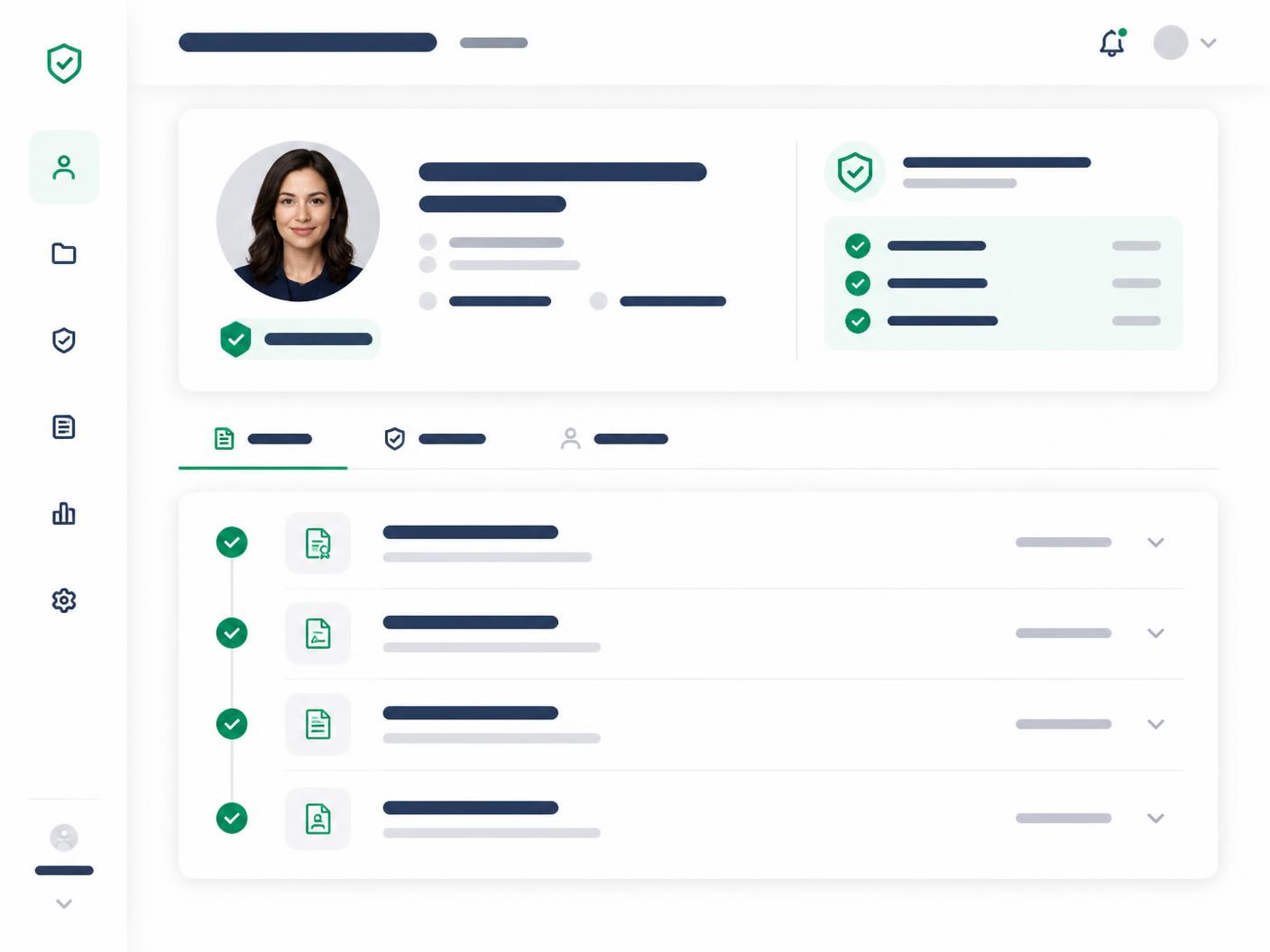
Evaluator dossier
Not anonymous feedback. Traceable human evidence. Chain-of-Human-Custody™ is a transparency and traceability record, not a certification or a legal compliance instrument.
Engagement Structure
Begin with the single recommendation flow that carries the greatest consequence, then widen the program as the evidence earns it.
Option 1
Best for:
Option 2
Best for:
Every engagement is structured around your product, intended users, evaluator requirements, markets, languages, evaluation scope, and commercial milestone. We will discuss the appropriate structure during the discovery call.
Operating Experience and Client Results
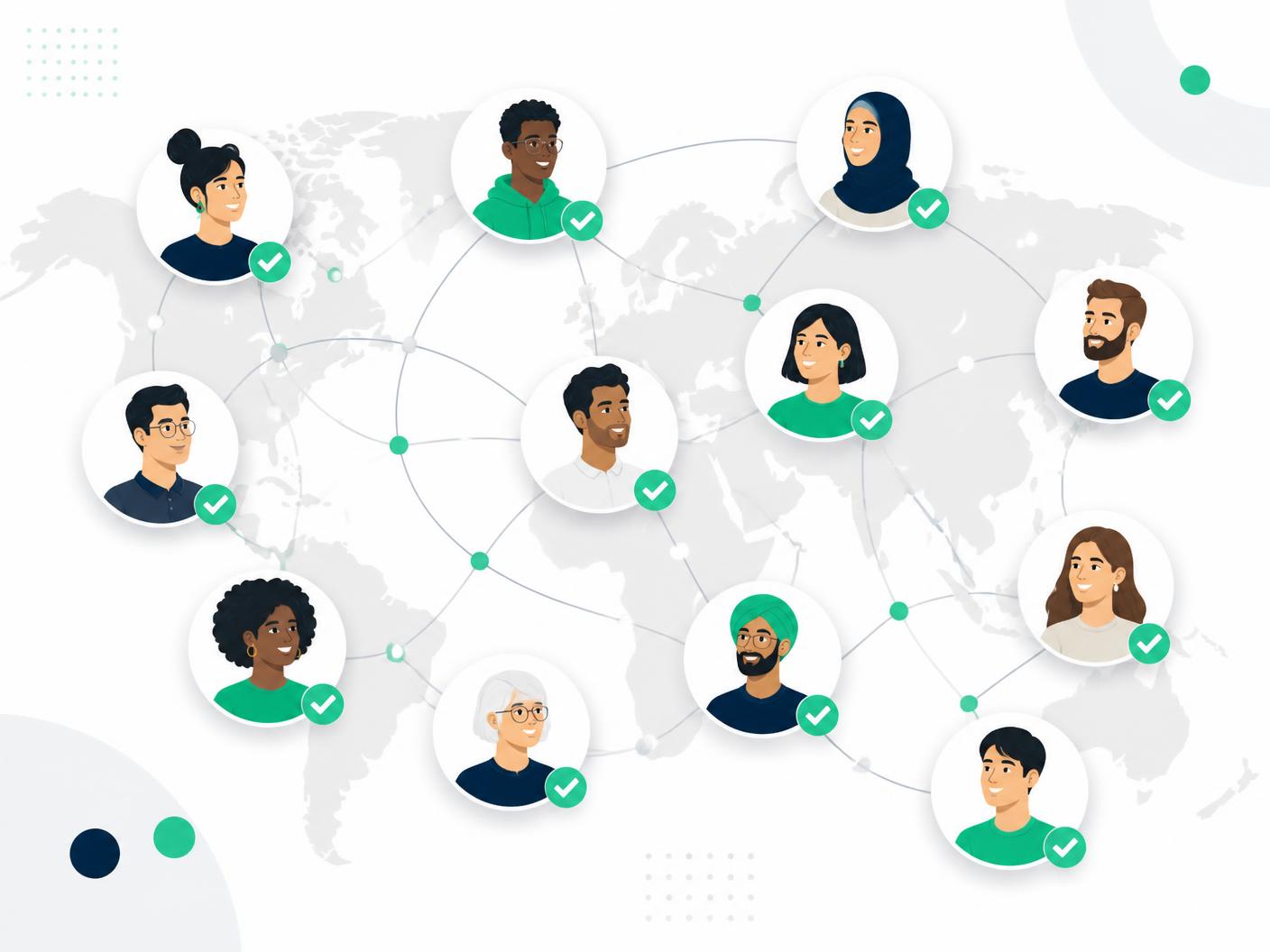
Human Layer AI is built on a proven operating foundation developed through more than a decade of complex human recruitment, verification, research operations, and participant management.
0K+
people and counting
0
projects delivered
$0M+
paid to real participants
0%
reported client satisfaction
0 in 10
participant show rate
0 years
of operating experience
“The pass rates were far higher than our previous vendor, and the participants were exactly who we asked for.”
“Clear communication throughout and real persistence on a difficult, low-incidence audience most teams told us was impossible.”
“Multilingual recruitment across several markets went smoothly, which is why we keep coming back for new studies.”
These figures and client comments reflect our full history of complex human recruitment and research operations across many industries. They are not presented as AI career-guidance case studies. Human Layer AI applies this proven recruitment and research-operations foundation to structured AI evaluation.
Recognition and Awards

2x Inc. 5000
Top 0.4% of U.S. companies

Soaring 76
Fastest-growing companies in Philadelphia

Certified Great Place to Work

Quartz Best Companies for Remote Workers

Titan 100 CEO
Philadelphia

Preferred vendor to Fortune 100 clients
Why Human Layer AI
Human Layer AI is the verified human evaluation layer for consequential AI recommendations: sourcing, calibration, execution, and traceability in one operating process.
Available participants with uncertain project-specific qualifications.
Project-specific sourcing, screening, and verification.
High volume without enough professional or contextual expertise.
Exact expert and user cohorts matched to the product decision.
Shared assumptions and limited representation.
Independent professional and real-user perspectives.
Measures patterns, consistency, and technical behavior.
Judges usefulness, professional soundness, cultural fit, safety, and real-world consequences.
May provide strategy without operating the evaluation.
Recruitment, calibration, execution, quality control, findings, and traceability.
You do not merely need people. You need qualified judgment delivered through a controlled system.
Responsible AI
Human Layer AI can support:
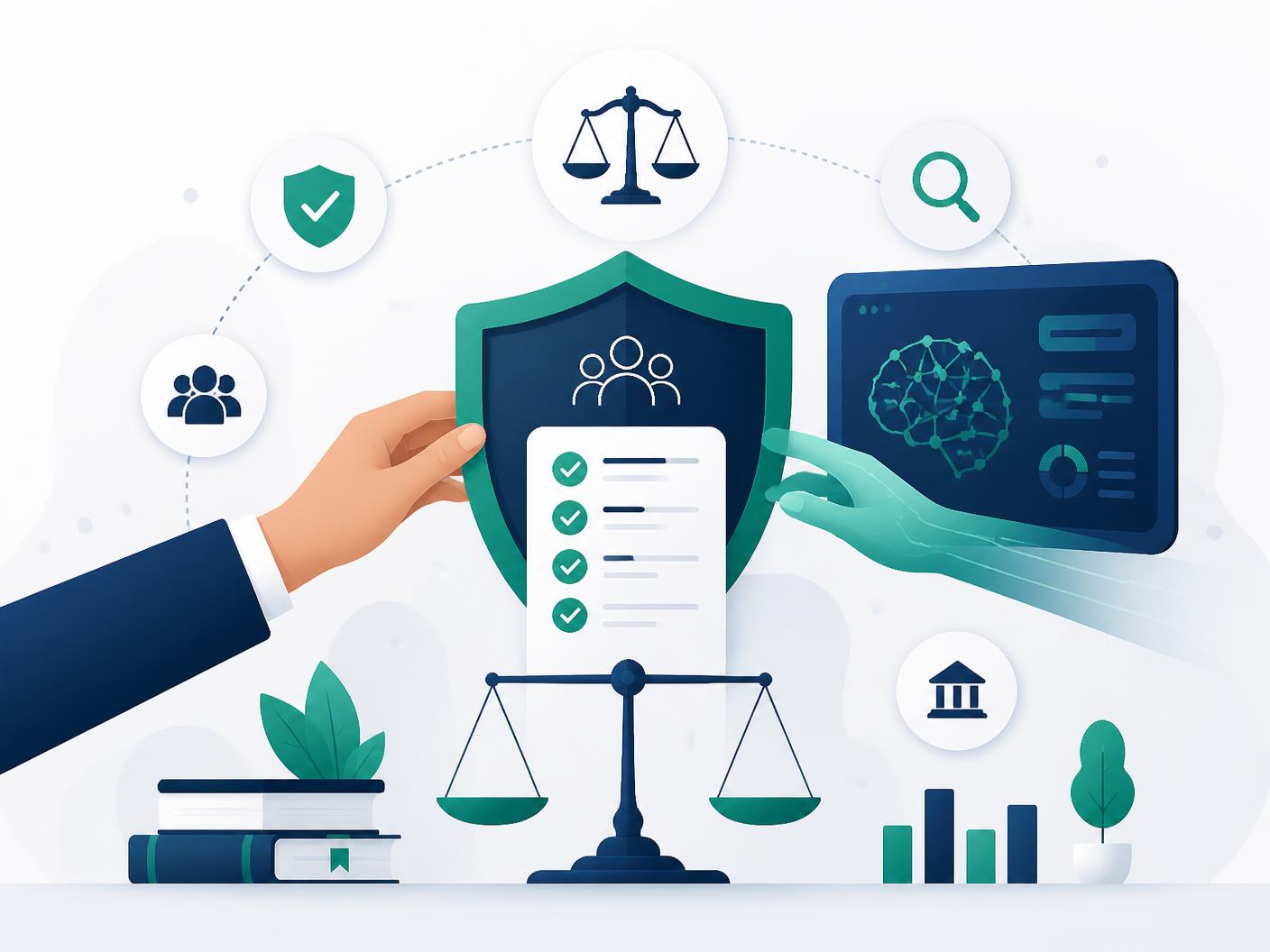
Human Layer AI does not provide legal advice, determine regulatory classification, conduct conformity assessment, issue certification, or guarantee compliance with the European AI Act or any other law. Our work can support the human-evaluation, documentation, feedback, and oversight components of a broader responsible-AI and governance program.
FAQ
The concerns raised on nearly every discovery call, and the honest answers behind them.

What Happens on the Call
During the discovery call, we will discuss:
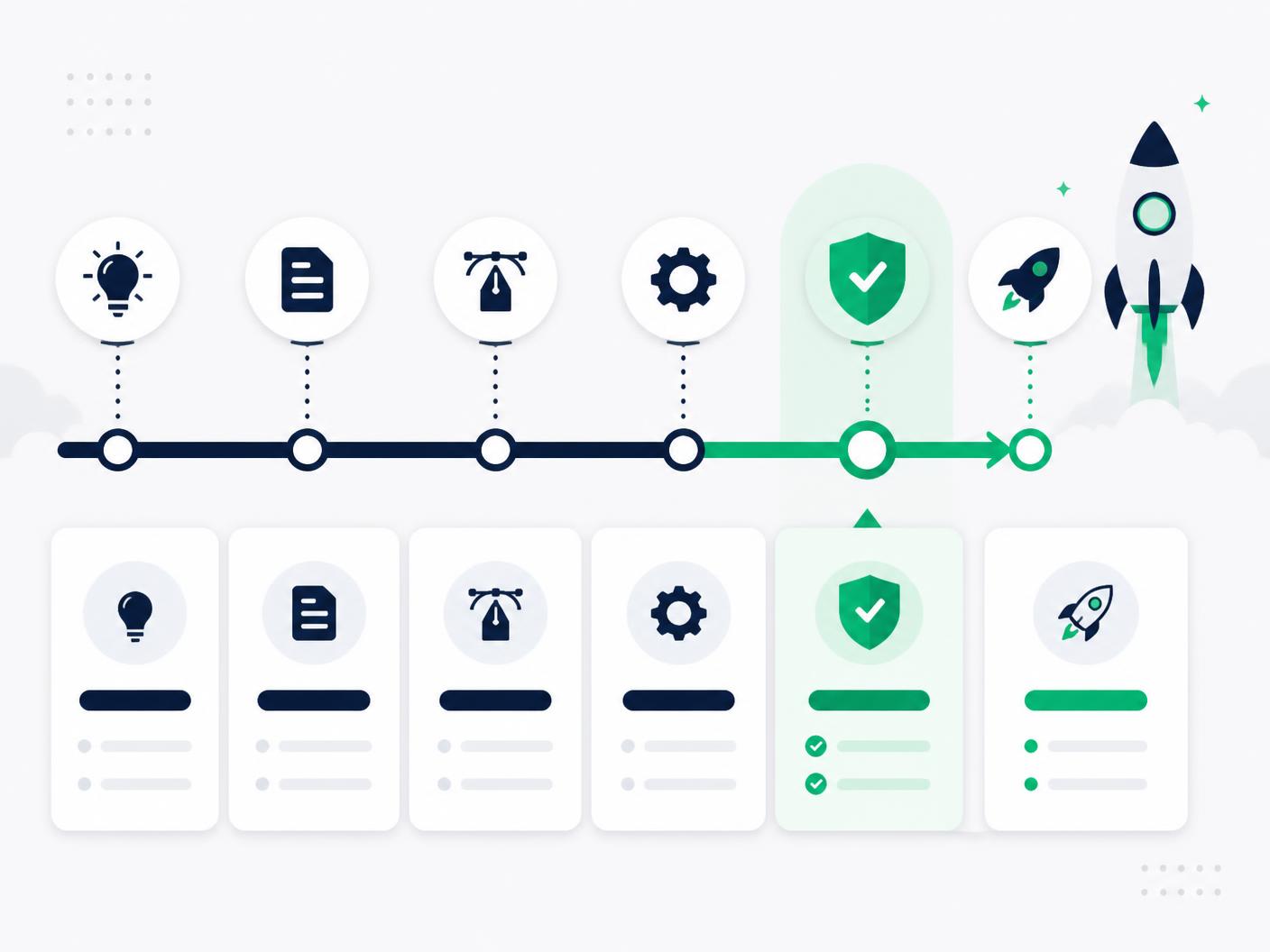
Start with the recommendation that would create the greatest consequence if it were confidently wrong.
AI makes the recommendation. Qualified humans prove whether it deserves to be trusted.
Discuss your AI product, intended users, evaluator requirements, target markets, and next milestone.